Guide · Kids
Getting kids to actually brush: a parent's field guide
The science is simple; bedtime isn't. Here's what matters by age, and the tactics that survive contact with real children.
Reviewed by the Harbour clinical team · Updated August 2026
The rules that matter
Twice a day, two minutes, every day — with fluoride toothpaste, and the crucial one almost everyone misses: spit, don't rinse, so the fluoride keeps working. Under-threes need only a smear of toothpaste; from three to six, a pea-sized amount; and an adult should brush or supervise until at least seven, because dexterity arrives later than enthusiasm.
Sugar timing beats sugar policing
Teeth cope far better with sugar at mealtimes than with all-day grazing and sipping — it's the frequency of acid attacks, not the total, that does the damage. Keep juice and squash to meals, make water the default bottle, and let treats be treats rather than a drip-feed.
Tactics that actually work
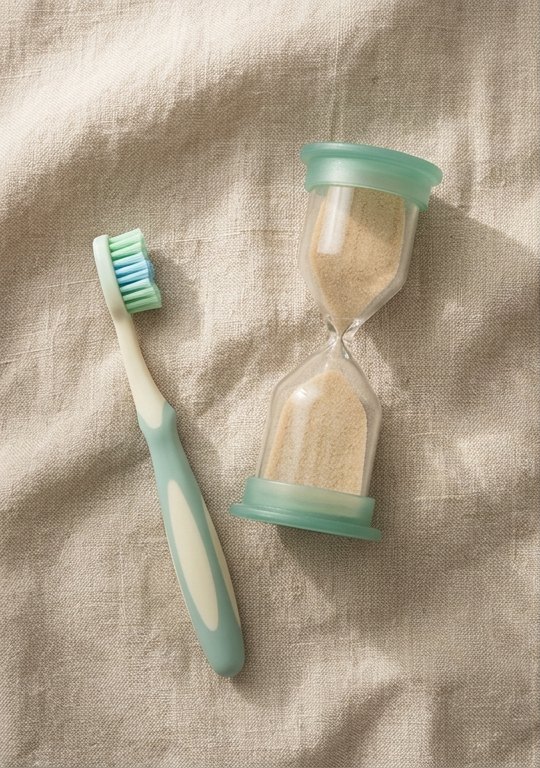
A two-minute song or sand-timer beats nagging. Brush together — children copy what they see nightly. Let them "brush" first, then you finish properly. Disclosing tablets turn plaque pink and make the invisible visible for sceptical eight-year-olds. And nothing lands like a professional saying it: children hear a hygienist's coaching completely differently from a parent's — which is why an annual hygiene and coaching session is built free into every child's membership on the Harbour Crew Plan.
When to start with the dentist
First visit by the first birthday, or when the first tooth arrives — early visits are about familiarity, not treatment, and they're what make the ten-year-old who hops into the chair. Members' little ones get a First Voyage certificate to mark the occasion.
Free hygiene coaching for every member child
Leave your email and we'll arrange a free family consultation.